The Motivation Behind Betting
The psychology of casino players is deeply intertwined with their motivations for gambling. Many individuals are drawn to casinos not just for the potential to win money, but for the thrill that comes with the experience. This thrill often stems from a desire for escapism, where players seek a break from their everyday lives, immersing themselves in an environment filled with excitement and suspense. The sensory aspects of a casino, including lights, sounds, and the atmosphere, create an intoxicating experience that enhances this motivational drive.
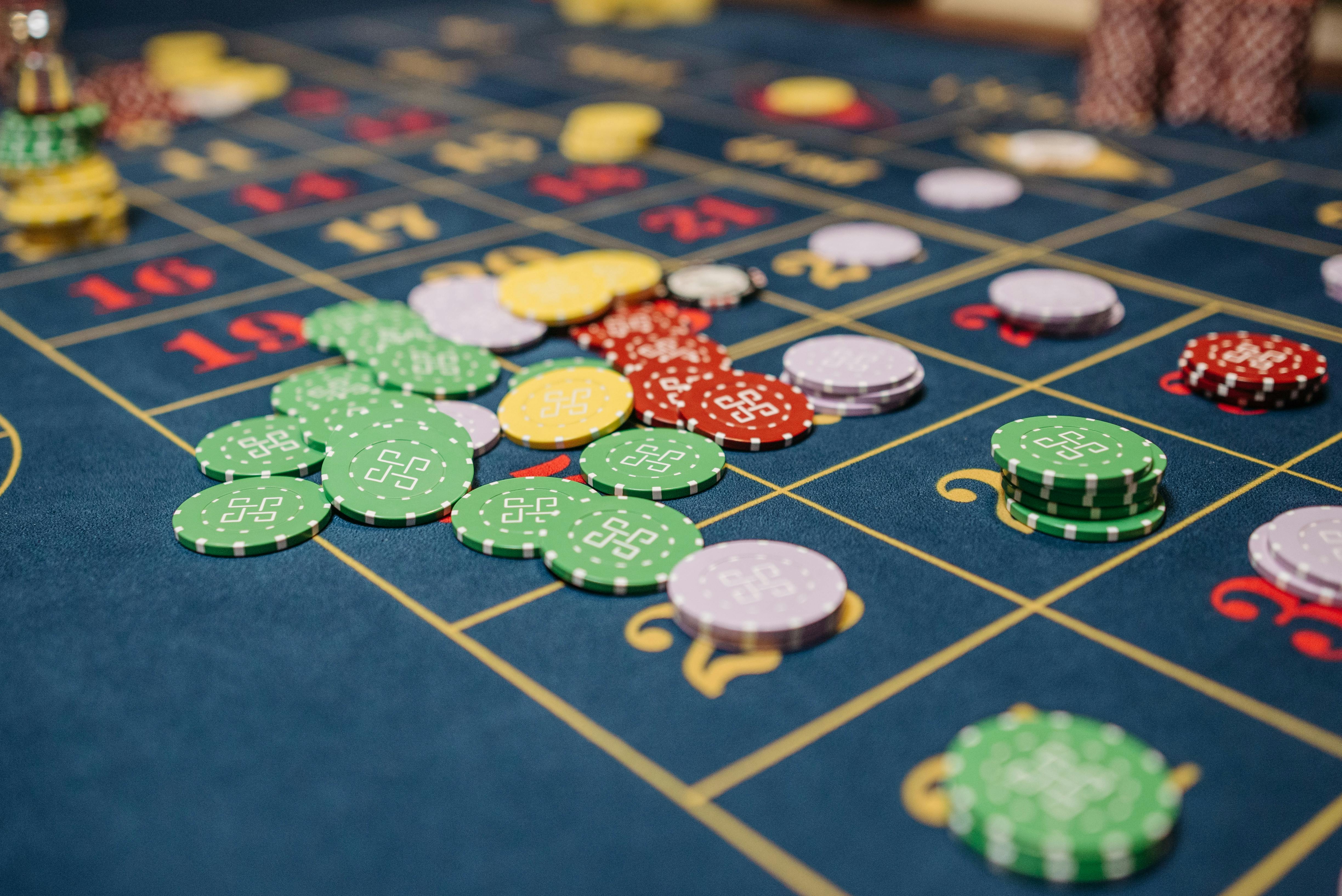
Furthermore, the social aspect of gambling plays a crucial role in player behavior. Many choose to visit casinos with friends or family, enhancing the communal experiences that come with betting. This social engagement can reinforce a player’s desire to participate, as they feel a sense of belonging and shared excitement. Understanding that these motivations are often psychological rather than purely financial can help in analyzing behaviors within the gambling context. fastest payout casinos
The Impact of Cognitive Biases
Cognitive biases significantly influence the decisions made by casino players, often leading them to gamble in ways that are not aligned with rational decision-making. For instance, the illusion of control is a common bias that leads players to believe they can influence the outcomes of games, such as slot machines or roulette. This belief can result in increased betting, as players feel empowered by the idea that their actions can sway results.
Additionally, the gambler’s fallacy—where individuals believe that past events can influence future outcomes—can heavily impact betting behavior. Players might think that a certain slot machine is ‘due’ for a payout if it hasn’t paid out recently, prompting them to continue playing in hopes of a win. Recognizing these cognitive biases is vital for both players and operators to understand how they affect betting behaviors and to create strategies to manage responsible gambling.
The Role of Emotional States
Emotions play a pivotal role in the decision-making processes of casino players. The highs and lows associated with gambling can create a rollercoaster of feelings. For some, winning brings a rush of excitement that releases dopamine, encouraging them to continue playing in pursuit of that feeling. Conversely, losses can lead to frustration or sadness, which may drive players to chase their losses, resulting in a potentially harmful cycle.
Moreover, understanding a player’s emotional state can provide insights into their betting behavior. Players in a good mood may take more risks, while those feeling down might engage in gambling as a coping mechanism. This emotional connection to gambling underscores the need for awareness and education about how feelings can lead to erratic betting patterns and potential addiction.
The Influence of Environment and Marketing
The casino environment and marketing tactics are tailored to enhance player engagement and prolong the gaming experience. Features such as complimentary drinks, loyalty programs, and enticing promotions are strategically designed to keep players on the gaming floor longer. These efforts capitalize on the psychological aspects of gambling, creating an immersive experience that encourages continued betting.
Furthermore, the placement of games, the enticing sounds of slot machines, and the visual impact of neon lights all work together to create a stimulating environment that can be hard to resist. This carefully curated atmosphere can lead to impulsive betting behaviors, as players often find themselves caught up in the excitement around them, making decisions that they might not have otherwise considered.

Combating Gambling Addiction and Awareness
As the understanding of the psychology of casino players deepens, so does the need for initiatives aimed at combating gambling addiction. Organizations like Stop the Traffik provide valuable resources and information to raise awareness about the impacts of such addictions, particularly in vulnerable populations. By educating individuals about the risks associated with gambling and the psychological factors at play, it is possible to promote more responsible gaming practices.
Moreover, community support systems and educational programs are essential in fostering a safer gambling environment. Encouraging open discussions about gambling behaviors and their psychological underpinnings can empower individuals to make informed choices regarding their betting activities. By addressing these issues, we can work towards reducing the incidence of gambling-related harm and promoting a healthier relationship with gambling.
